.avif)

Look, if you're using decent software and your team isn't doing anything obviously dumb, yeah your data's probably safer than those Excel files sitting on laptops all over your office. But that's setting the bar pretty low, isn't it?
Here's what nobody tells you: security isn't just about picking the right platform. It's about whether your team actually uses it properly. And that's where everything usually falls apart.
Most security nightmares don't start with some hacker in a hoodie breaking through encryption. They start with someone in your office using "password123" or clicking an email that looked legit. Security needs both sides working the tech AND the people.
Think about it like this: you wouldn't install a fancy lock on your door and then leave the key under the doormat. Same logic here. Tools matter, sure. But how people behave matters way more.
Good SaaS companies throw millions at security. Literally millions every year. Way more than your agency could justify, even if you wanted to match it.
Here's what you're getting with proper platforms:
Bank-level encryption. Your data gets scrambled into code that would take supercomputers decades to crack. Not marketing fluff actual protection whether data's sitting on servers or moving around.
Constant automatichttps://aws.amazon.com/compliance/ backups. No depending on someone remembering to copy files. These backups get stored in multiple locations geographically, so even if an entire data center catches fire, your info exists elsewhere.
Hosting on AWS, Google Cloud, Microsoft Azure. These giants employ thousands of security people. Their whole job is dealing with threats you've never heard of, around the clock, every day.
Two-factor authentication. Stealing one password isn't enough. Hackers need your password AND your phone. Makes breaking in exponentially harder.
Access controls that actually work. Your junior agent can't accidentally stumble into financial records. Your accountant can't see sales conversations. Everyone sees exactly what their job requires, nothing extra.
24/7 monitoring systems. Weird login from Karachi at 3am when everyone's home asleep? Gets flagged immediately.
Real security certifications. SOC 2, ISO 27001, GDPR compliance these prove actual security experts spent months auditing and testing for weaknesses. Not cheap badges you can buy. These audits cost hundreds of thousands and take forever to complete.
Now think about the typical real estate office. What do most agencies actually run?
Excel spreadsheets on laptops people take home. Maybe some server in the back room nobody's touched since 2019 because "it works fine." Client data on USB drives. Passwords on sticky notes. Backups happening "whenever someone remembers."
Laptop stolen from a car? Everything's gone. Coffee on that old server? Good luck. Hard drive fails? Hope you backed up recently (you didn't).
No plan. No recovery. Just panic when stuff breaks. And stuff always breaks eventually.
Even perfect software can't fix terrible habits. And honestly? Most breaches happen because habits are terrible, not because hackers are brilliant.
Let me show you what actually goes wrong in offices:
Passwords shared like they're nothing. Half your team uses the same login because "it's easier." Someone wrote the master password on a sticky note on their monitor. Another saved it in a file literally named "Passwords.docx" on their desktop. Brilliant.
I've walked into offices where the WiFi password was written on a whiteboard you could see from the street. If that's your security approach, no software on earth will save you.
People downloading client data to personal laptops constantly. Now you've got CNIC numbers, property documents, bank details sitting on someone's home computer. Same computer their kid uses for gaming and downloading random stuff from sketchy sites. Same computer that hasn't updated in months because the prompts are "annoying."
What happens when that laptop gets a virus? Gets stolen? Hard drive dies? Client data's just floating around, potentially in criminals' hands.
Random integrations nobody checked. Some free tool promised to "revolutionize workflow" and looked convenient. Someone connected it without asking anyone. Now nobody knows what data it's grabbing, where it's storing stuff, or who else can see it.
I've seen agencies connect entire CRMs to Chrome extensions that were literally harvesting data. By the time they noticed, thousands of client records were already gone.
Phishing emails that fool everyone. Someone gets a message looking exactly like it came from the CEO asking for urgent client info. They click, enter credentials on a fake page, boom hackers have full system access.
These emails are scary good now. Your company logo, your email format, references to real projects. Even tech-savvy people fall for them.
Suspiciously cheap vendors. That CRM costs half what competitors charge. There's absolutely a reason, and it's not generosity or market disruption.
Cheap usually means security corners got cut. No compliance certifications. When things break, good luck getting support. Or your data's getting sold to subsidize those low prices.
Brutal truth? Most breaches happen because someone in your office messed up. Not because technology failed. Human error wins almost every time.
Let's be clear about what's at stake. Your platform isn't storing grocery lists. It's got:
Client CNIC numbers and ID copies. Wrong hands? Identity theft. Fraudulent property deals. Fake loans. Someone's entire financial life gets destroyed.
Property ownership documents. Imagine someone forging these to sell property they don't own. Using them for loan collateral. Legal nightmare that could end your business.
Complete transaction histories. Who bought what, when, for how much. Competitors want this. Criminals want it more for targeting wealthy clients.
Bank account details. Direct access to moving money or setting up fraud.
Every contract and legal document ever. Confidential terms, negotiation details, financial arrangements that were supposed to stay private.
Investor data and financial records. Shows who has money and where they're putting it. Prime targets for scams.
This gets leaked? You're not just losing clients. You're facing:
Massive lawsuits. Legal fees that could bankrupt small agencies. Furious people whose trust you destroyed. Your reputation completely wrecked good luck getting new clients when "data breach" is attached to your name. Regulatory fines. Criminal investigations if it's bad enough.
Not minor. Business-ending, life-ruining if it goes wrong. That's why this actually matters.
Security isn't rocket science. Not some mystery requiring a PhD. But you gotta care and put in basic effort.
Use platforms with real certifications. SOC 2 Type II (not just Type I), ISO 27001, GDPR if you handle European clients. These mean months-long audits by independent experts hunting for vulnerabilities.
Not participation trophies. Not marketing badges. They require continuous compliance, regular re-auditing, serious investment. Vendor can't show current valid certifications? Massive red flag.
Turn on two-factor for absolutely everyone. Not just your account. Not just admins. Every single person logging in needs 2FA. Don't care if someone whines, it's inconvenient. You know what's more inconvenient? Explaining how client data got stolen because you couldn't bother with basics.
Use authenticator apps like Google Authenticator or Authy. Not SMS codes those get intercepted. And don't let people use email as second factor if email uses the same password. Defeats the entire purpose.
Give access based strictly on job requirements. Receptionist doesn't need bank statements. Accountant doesn't need sales conversations. Marketing doesn't need financial records.
Called principle of least privilege. Basic security. Everyone gets exactly what they need for their job, nothing more. Yeah, takes time setting up permissions. Do it anyway.
Kill access instantly when people leave. Someone quits? Remove access that day, before they leave. Someone fired? Revoke everything immediately don't wait for Monday.
Seen so many breaches because agencies left old employee accounts active for weeks. That person's gone. No reason to access systems. Every minute their account stays active is risk.
Stop copying files to local computers or USB drives. Work in the platform. Yeah, less convenient. Yeah, can't work offline as easily. Deal with it. Security risk of data scattered across devices isn't worth minor convenience.
Must download something? Encrypt it properly, delete immediately when done. Don't leave it in Downloads forever.
Only verified integrations. Don't connect random apps because they look useful. Research first. Check if your main platform recommends them. Look for certifications. Read reviews about data handling.
Every integration is another potential entry point. Treat seriously.
Get legal stuff written down. Make vendors sign NDAs and data agreements. Contract must clearly state how data's handled, where it's stored, who accesses it, what happens during breaches.
Things go wrong, you want legal backup and clear responsibilities. Handshakes mean nothing when lawyers get involved.
Know where backups are and how to restore. Platform probably backs up automatically great. But do you know how to access backups? Ever tested restore? Know how long it takes?
Figure out before disaster, not during crisis when panic sets in.
None of this is complicated. Doesn't require expertise or huge budgets. Just requires doing them instead of procrastinating.
Even strong platforms can't fix careless behavior. Specific ways agencies screw up:
Weak shared passwords. "RealEstate2023!" used by five people across systems. Or same password someone uses for Gmail, Facebook, Netflix. One breach anywhere exposes everything.
Password manager. Unique complex passwords for each system. Don't share credentials create individual accounts. Not optional.
Downloading entire databases to work from home. Spreadsheet with 500 CNICs sitting unencrypted on a laptop connecting to cafe WiFi with zero security software.
Must work offline? Download only what's absolutely needed, encrypt properly, delete when done. Better yet, use mobile apps or web access.
Unverified integrations sucking data. That automation tool, lead system, listing syncer who are these companies? Where based? What are they doing with data?
Before connecting, research thoroughly. Check security practices. Read privacy policy (actually read it). Understand what data they access. Can't verify legitimacy? Don't connect.
Smarter phishing attacks. Modern phishing isn't "Nigerian prince" emails. It's personalized messages referencing recent projects, using colleague names, copying exact email format.
Train team to verify unexpected requests. Check URLs carefully. When doubtful, confirm through different channel call the person. Report suspicious emails immediately.
Cheap vendors to save money. CRM at $10/month when competitors charge $100? There's a reason. Probably terrible security, no compliance, sketchy practices, or all three.
Don't gamble with client data for saving a few thousand monthly. Breach costs are exponentially higher.
SaaS platforms are generally safe. Often safer than whatever you're currently using. Technology's solid, infrastructure professional, security real.
But here's the thing: company secures infrastructure. You're responsible for how people use it.
Choose reputable software. Follow basic practices consistently. Train team properly. Data will probably be fine. Safer than ever, honestly.
Disasters hit agencies that get lazy. Take shortcuts. Think "won't happen to us" until it does.
Can it happen to you? Absolutely. Will it if you're not careless? Probably not.
Security isn't paranoia. It's being realistic about risks and taking straightforward steps.
Don't just read and move on. Act. Immediate checklist:
Check current platform security. Find documentation, look for certifications. Can't find clear info about encryption, backups, compliance? Billboard-sized red flag.
Audit team usage. Passwords shared? Who's downloading constantly? Old employee accounts still active? Walk around, watch how people work spot problems immediately.
Fix obvious problems first. Enable 2FA for everyone. Change shared passwords to individual accounts. Delete old accounts. Remove unnecessary integrations. Takes hours, eliminates most risk.
Shopping for software? Don't just compare features and costs. Ask about certifications, encryption standards, backup procedures, recovery time, compliance, incident response, data retention.
Vendor can't answer clearly? Not worth your business, regardless of price or features.
Schedule regular security reviews. Not once and done. Quarterly calendar reminder. Check new integrations, old accounts, shared passwords, unusual access. Security is ongoing practice.
Client data is your most valuable asset. More valuable than you realize. Enables business to function, what clients trust you with, what competitors want.
Treat it like it matters. Because it does.

Learn how to calculate ARV (After Repair Value) using the proven formula, comparable sales, and repair costs. A complete guide for wholesalers, house flippers, and real estate investors.
.png)
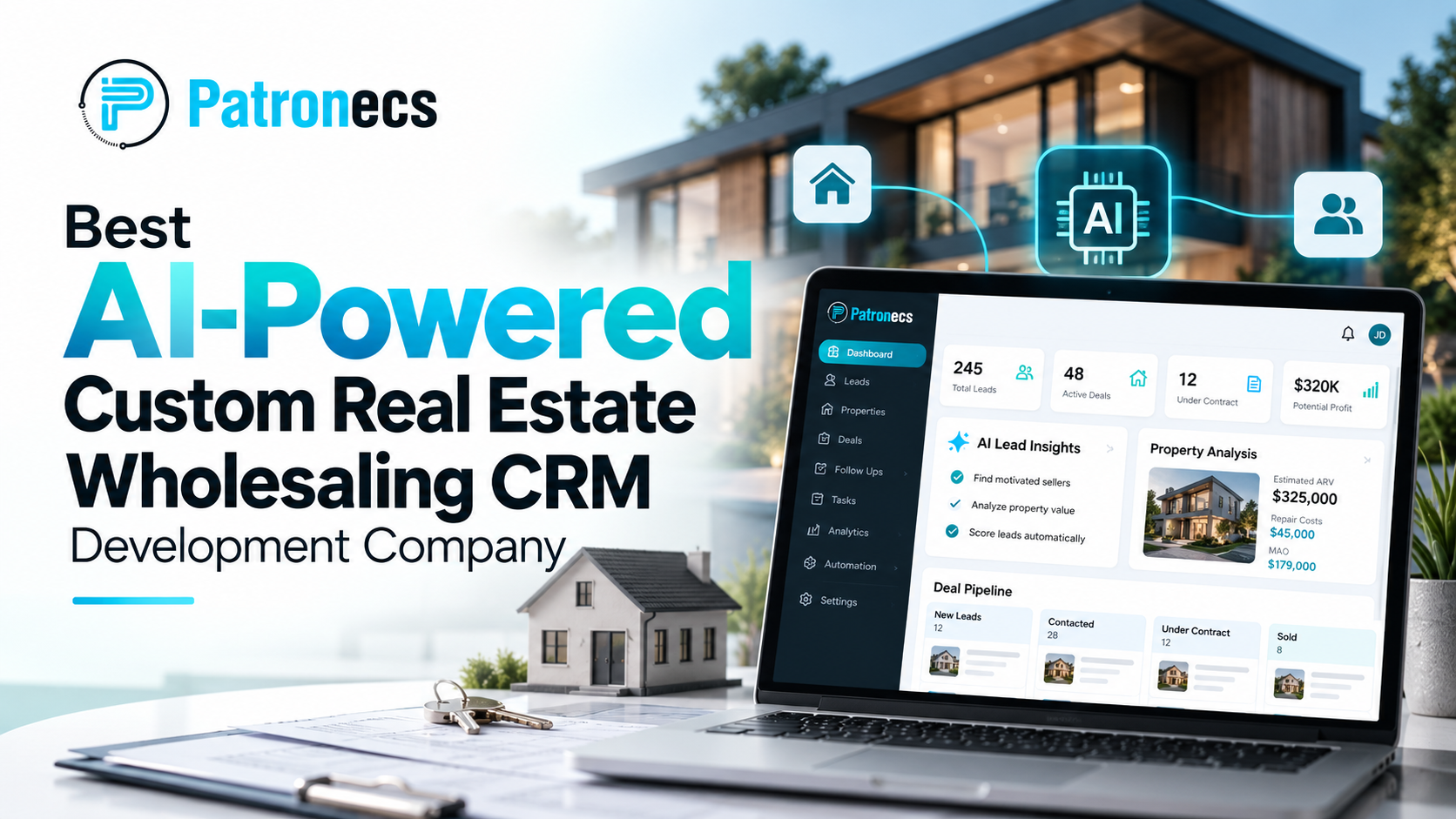
Looking for the best AI-powered real estate wholesaling CRM development company? Learn what to look for and why custom CRM solutions outperform generic software.
Most breaches are caused by human errors such as weak passwords, careless downloads, sticky notes, and falling for phishing emails. Security fails when employees do not follow proper practices.
No. Cloud platforms provide encryption, backups, two-factor authentication, access controls, and certifications, but security also depends on how your team uses the software. Technology alone is not enough.
Sharing passwords, storing client data on personal devices, connecting unverified integrations, using cheap software, and offline spreadsheets are major security risks.
Client CNICs, property ownership documents, financial records, transaction histories, contracts, and investor information. A breach can lead to lawsuits, fines, and reputational damage.
Implement two-factor authentication, enforce least privilege access, remove old accounts, secure backups, use certified software, audit integrations, and train your team consistently.
Often not. Low-cost platforms may cut security corners, lack compliance certifications, and provide poor support. The cost of a breach far outweighs minor savings.
Audit team usage, remove unnecessary access, secure backups, enable two-factor authentication, and ensure integrations are verified. Address issues immediately to prevent breaches.
Regularly. Schedule quarterly security reviews, check new integrations, old accounts, shared passwords, and unusual access. Security is an ongoing process, not a one-time setup.

.webp)
.svg)
.png)


