.avif)
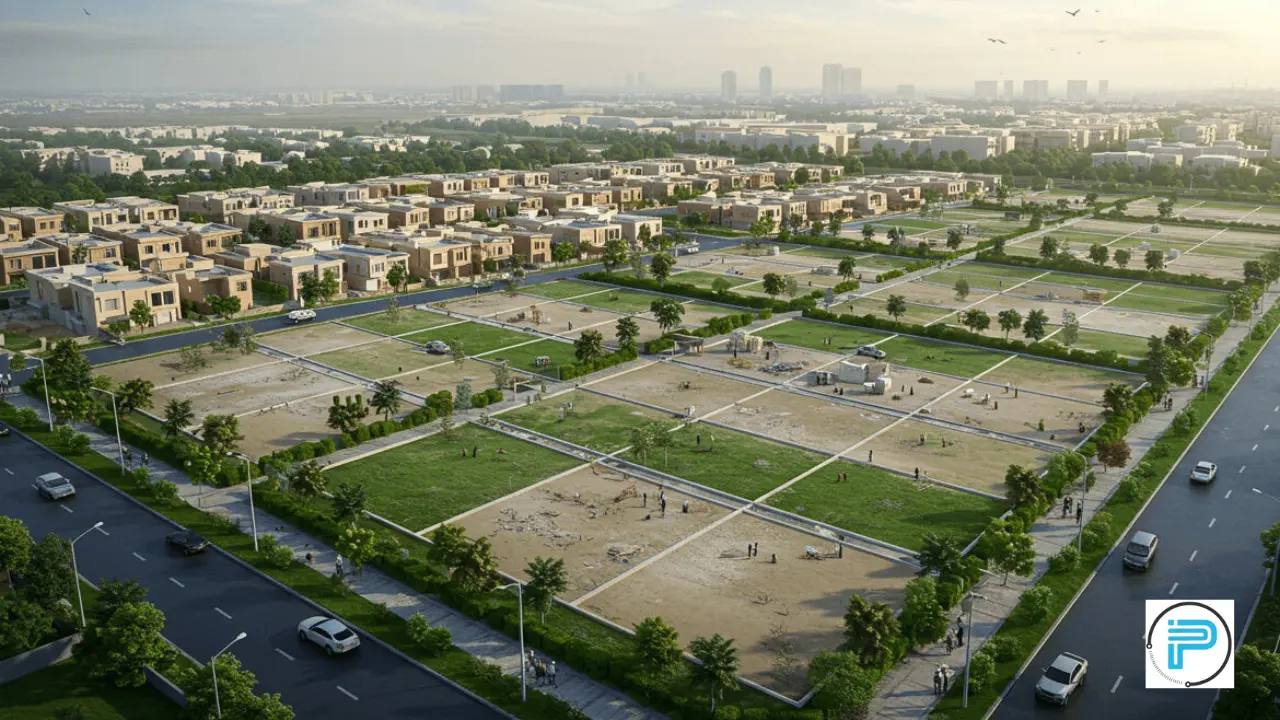
Pakistan's property market in 2026? It's completely different from what we saw just two years back. Buyers aren't throwing money around anymore. Developers can't just sell dreams and expect people to bite. And you know what? That's honestly not a bad thing.
If you're thinking about jumping into real estate or buying property, here's the real deal on what's going on.
Inflation's hovering around 5-7% this year. Compared to where we were before? That's massive improvement.
Check out the Price Statistics page: https://www.pbs.gov.pk/price-statistics/
What's this mean for buying property? People aren't freaking out that their savings will be worthless next month. When the economy settles down like this, more folks actually consider making big purchases. Real estate stops feeling like roulette and starts feeling like an actual investment you can plan around.
Interest rates aren't insane either, which matters if you're thinking about getting a loan.
Biggest change? The file-buying craze is dead. Well, smart people stopped anyway.
Finally, everyone got their fingers burned. Bought files thinking they'd turn into actual plots or houses someday. Years passed. They're still holding worthless papers. That whole era? Pretty much finished.
What buyers want now: Homes they can actually move into next month, not some distant future. Prices that make sense for real incomes, not fantasy salaries. Payment plans that won't bankrupt them. Something tangible, a place to actually live in or rent out for real money.
Not exciting, but it's sensible. People figured out the hard way that speculation only works if you're super lucky or have insider connections.
Land in Karachi, Lahore, Islamabad? Costs a fortune now. There's barely anything left in halfway decent spots.
So what happened? Apartment buildings everywhere.
High-rises are popping up in neighborhoods that used to be all low-rise houses. And apartments actually make sense for most buyers: You get way more space per rupee compared to buying land. Easier to rent out, young professionals prefer apartments in good locations. Modern buildings have parking, security, sometimes even a gym. No dealing with lawn maintenance and all that hassle.
Developers caught on. That's why there are all these mixed-use complexes and gated apartment communities aimed at young families and investors wanting rental income.
Pakistan's property market has been stuck in the 1990s forever. Things are slowly changing though.
You can find properties online now with actual photos, not just some guy's phone number. Some places have virtual tours so you don't waste entire Saturdays driving around the city. Land records are going digital in a few cities, cutting down on the paperwork hell. Pricing information is getting better, so massive overpaying happens less.
Is it perfect? Nope. Are we close to how Dubai or Singapore work? Not even remotely. But it's progress, and it helps fight the fraud that's been destroying this market forever.
January 2026! Pakistan approved three new REITs, total's now at 28. Don't know what a REIT is? Here's the simple version:
Instead of buying an entire building yourself, you buy shares in a company that owns multiple properties. You get rental income and growth potential without dealing with tenants calling at 2am because something broke.
REITs work great for people who want real estate exposure but don't have crores sitting around. Also perfect for overseas Pakistanis who want to invest back home without flying in every month to manage stuff.
Check out these sites to understand in more depth:
https://www.secp.gov.pk/document/list-of-insurers-updated/
https://www.psx.com.pk/psx/pride/main-board/signature-residency-reit
Returns aren't amazing, but they're steady. And after everyone got burned chasing quick profits, steady sounds pretty damn good.
Yeah, property prices in big cities rose over the past couple years. Land's scarce. Demand exists. Basic supply and demand.
But here's what everyone misses: not everything's performing the same.
Ready plots near actual roads with electricity and water? Selling. Completed houses people can move into tomorrow? Have buyers. Apartments in decent areas with real amenities? Renting easily.
Random files in schemes with zero development? Dead. Overpriced land in the middle of nowhere? Good luck finding a buyer. Properties with sketchy legal paperwork? Nobody's touching them.
The properties gaining value are near new highways, metro stations, places where the government actually built something instead of just making announcements.
Let's not kid ourselves. The market's still got serious problems.
Middle-class families can't afford decent homes. Prices in good areas are absolutely insane. Regular households don't have that kind of cash lying around.
Speculation destroyed entire schemes. Some areas have completely fake prices that don't match reality. People who overpaid are stuck because nobody will pay those inflated amounts now.
Legal problems are everywhere. Rules exist on paper but actually enforcing them? Hit or miss. You need lawyers, you need to verify everything, and even then you might find issues later.
Before buying anything: check the legal documents thoroughly. Research the builder, do they finish projects or just launch and vanish? Verify approvals actually exist and infrastructure is getting built. Don't trust what the sales guy promises.
Based on what's happening now, here's the realistic outlook for 2026:
Affordable housing is where demand is. Not luxury, not premium, just decent homes at prices normal people can handle.
REITs will keep growing because more investors are realizing direct property ownership is a huge headache.
Apartments will dominate city construction. Land costs too much for anything else to make financial sense.
Technology will keep improving transparency. Slowly, painfully slowly, but it's happening.
Smart buyers think long-term now. Rental income and steady growth beat trying to flip properties for quick cash.
Putting money into property this year? Focus on:
Affordable apartments in developing areas with good road connections. Not the fanciest neighborhoods, but places with real infrastructure. Properties you can rent immediately for actual cash flow. Don't buy something that'll sit empty for years. Areas getting new infrastructure, highways, underpasses, metro lines. These create real value. Legal clarity above absolutely everything. Paperwork not perfect? Walk away. Builders who've finished projects before. Check their history. Visit their completed work.
Skip the hype. Don't buy files. Don't overpay because someone swore prices will double. And seriously, verify everything before handing over money.
Pakistan's property market is maturing. The crazy speculation era is fading. It's becoming about actual value instead of gambling.
Are people doing well now? Buying affordable, ready properties with real rental potential. Investors making money? The ones doing research, double-checking everything, thinking years ahead instead of months.
Getting into this market? Slow down. Learn the basics. Ask tough questions. Don't let anyone rush you. Good deals go to people who understand what they're buying and why it makes sense.
The market's improving more honest, more transparent, more stable. But you still need to be smart and careful about it.

Learn how US real estate teams can adopt automation without losing the human touch. Discover practical strategies to streamline workflows, boost lead follow-ups, and scale operations efficiently.

Discover how Odoo ERP automates workflows, integrates departments, and boosts productivity for startups and mid-sized companies.

n8n is an open-source automation platform that connects apps, APIs, and services to create custom workflows with minimal coding. It offers flexibility and control, making it a strong alternative to traditional automation tools.
.svg)
.png)


